VOOD FEED
Kimchi, miso & co. – fermented superfoods

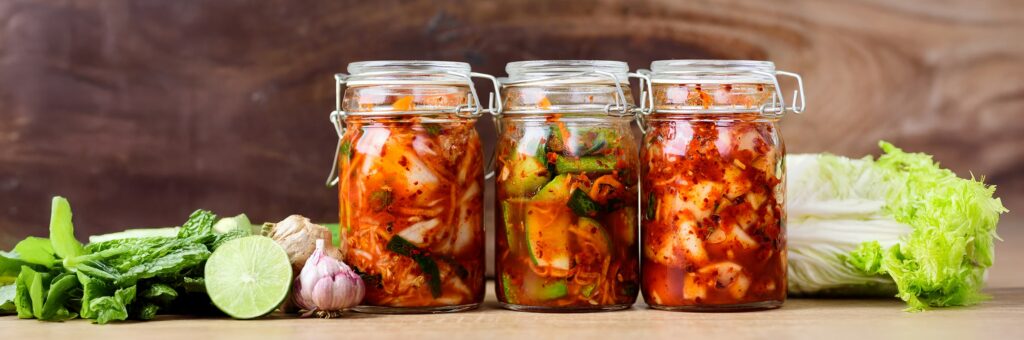
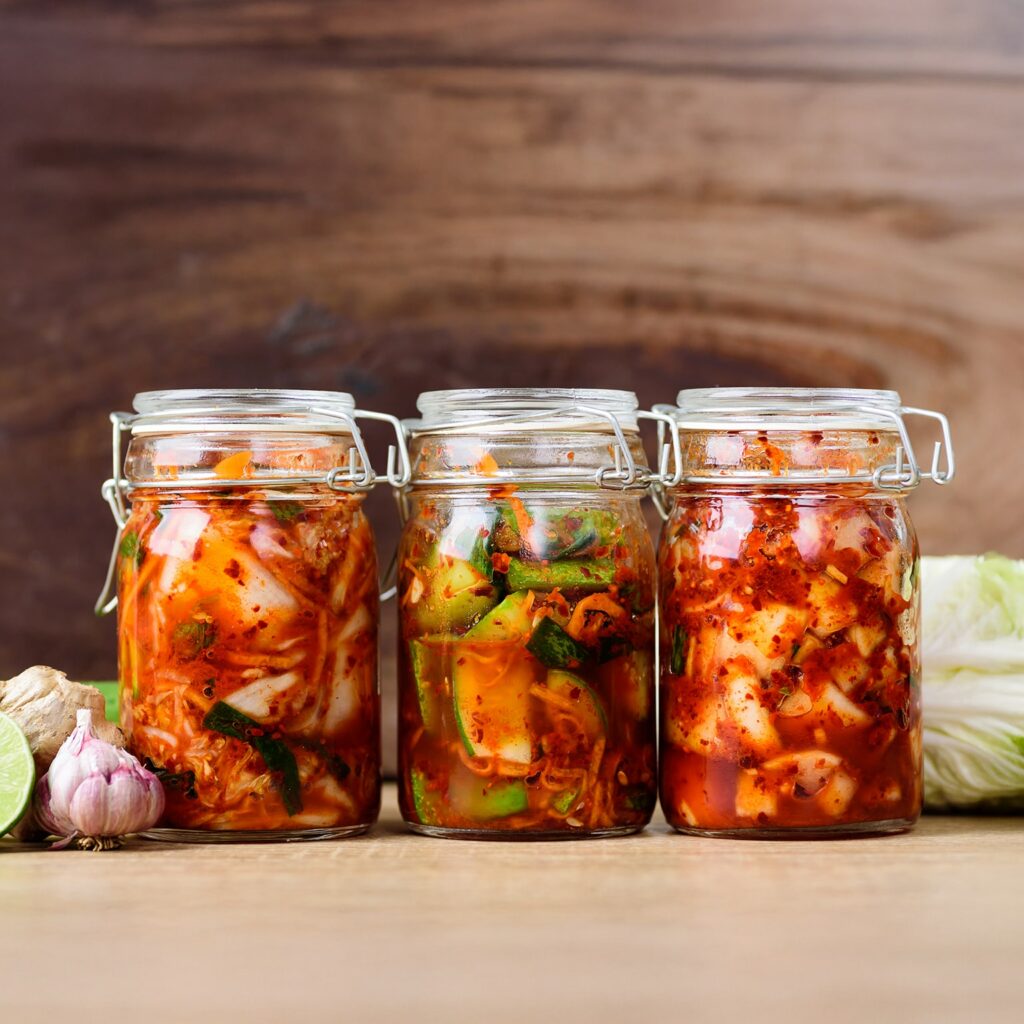
Durable, digestible, delicious – discover kimchi from Beavia and how to ferment it yourself
Whether tempeh or yoghurt, kefir or kimchi – fermented foods are all the rage. Yet this processing method is ancient. New discoveries show that fermented delicacies can be stored perfectly, are your gut’s best friend and add a delicious fresh taste to many plant-based dishes. Find out all about the variety, production and use of these „active“ foods – with step-by-step instructions. Of course, we also have delicious recipes to accompany it.
What are fermented products?
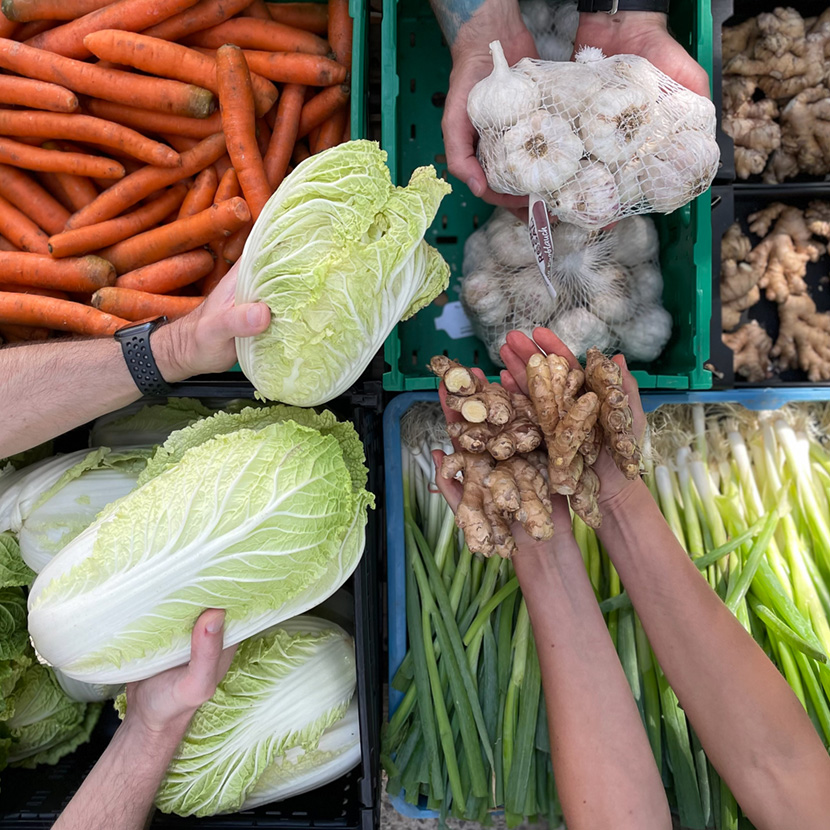
Like domestic sauerkraut, Korean kimchi is produced by fermentation processes. The little helpers in this process are microorganisms such as healthy bacteria, fungi or yeasts. They convert carbohydrates or natural sugars found in food into lactic acid or alcohol. This acid in turn inhibits the spread of other bacteria and thus stops rotting and decay. This is the age-old trick for preserving foods such as vegetables. In the old days, this was used to store provisions during the winter so that food rich in vitamins was also available during the cold season. And all without preservatives!
However, in addition to vegetables, milk has always been processed by fermentation into yoghurt, kefir, whey and cheeses such as feta. The good news for vegan fans is that this works just as well with plant-based milk alternatives. Yoghurt and other dairy alternatives can also be produced from soya, oat, coconut and almond drinks by adding the right microorganisms.
Whether vegetables or plant-based drinks, this natural fermentation also changes the flavour and nutritional composition of the food used. Many people love the slightly acidic and spicy flavour. It adds a new facet of flavour to vegan cuisine in particular. A pinch of miso paste – yes, it is fermented – in your soup oder and a dollop of kimchi in your bowl is often enough to spice up your meal and give it a fresh kick.
Ferment your own vegetables – here’s how
Sauerkraut is world-famous. It is one of the most popular fermented foods. Have you ever thought about making your own sauerkraut from cabbage? Or have you ever dared to make your own kefir? Or pickling vegetables? Let’s start with this …
The equipment you will need:
• A preserving jar with a lid. A jar with a special valve lid is often recommended, from which the fermentation gases can escape during fermentation.
• A heavy object (such as a stone or glass) to weigh down the pickled vegetables.
• Use a pestle or spoon to press the vegetables together in the jar.
• Sea salt
Ferment your favourite vegetables step by step:
- Wash your vegetables thoroughly, cut them into small pieces and massage them a little. This breaks up the cell structure.
- Add 2 grams of salt per 100 grams of vegetables and season to taste.
- Layer your vegetables in a sterilised jar and press firmly with the pestle.
- Weigh down your pickled vegetables with an object that can be washed.
- Close the jar. For lids without a valve, simply place the lid on top to allow the gases to escape. Place your jar in the dark at room temperature.
- The salt draws out the liquid from the vegetables. After a few days, this covers the vegetables, preserving them. You can now refrigerate your jar.
- Depending on the type of vegetable, fermentation can take just 4-5 days or several weeks. Find out more! As a rule of thumb: the longer you ferment, the longer it will keep.
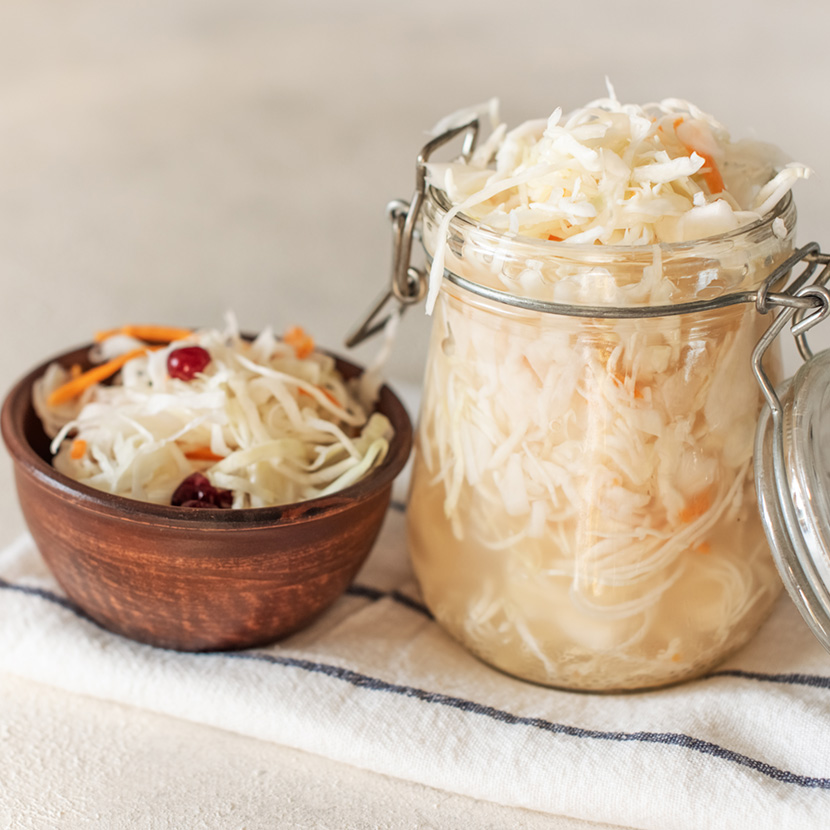
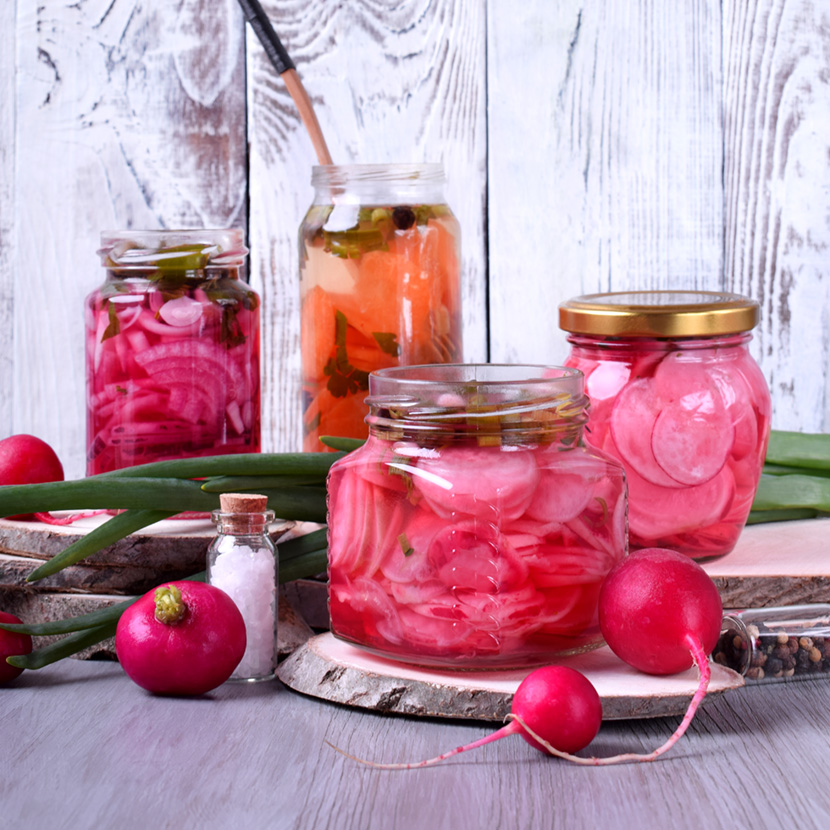
In addition to this dry fermentation method, there is also the brine method. In both cases, kitchen hygiene, such as boiling the jars, is crucial! If you are now wondering which vegetables you can use: basically almost anything. Firm vegetables such as white, Chinese and red cabbage, carrots, ginger, cucumber, beetroot, radish, celery, fennel or radishes are well suited. Soft vegetables such as tomatoes, or even fruit, tend to get mushy, but can still taste quite good. You can now find tutorials and courses on this topic everywhere. You’ll become a fermentation expert in no time at all. And another extra tip: some companies, such as Fairment, offer starter cultures for pickling vegetables as well as for sourdough, kombucha and other fermentations. Their yoghurt starter is also vegan and therefore suitable for experimenting with plant-based drinks. So go ahead, get stuck into the probiotic fun!
The secret of natural probiotics
The so-called fermentation starter culture, i.e. the added microorganisms, not only creates a different nutrient profile and a favourable pH value of the food, but also food for our microbiome. This is because probiotic bacteria promote the growth of healthy intestinal bacteria in a slightly acidic environment, strengthening the intestinal flora and thus the immune system. It is becoming increasingly clear that intestinal health is the key to well-being. Fermented foods give a real booster. Fermented foods are therefore considered to be easily digestible, healthy for the digestive and immune systems and ideal for weight control. However, we advise you to find out more about fermented foods, as they are not recommended for histamine intolerance, for example.
Top 10 fermented vegan foods:
1. Sauerkraut: Sure, we know it from traditional German cuisine. A winter vitamin booster!
2. Fermented or pickled vegetables: The sky is literally the limit! Firm vegetables are particularly suitable. The gherkins/cornichons and olives that you buy are also fermented.
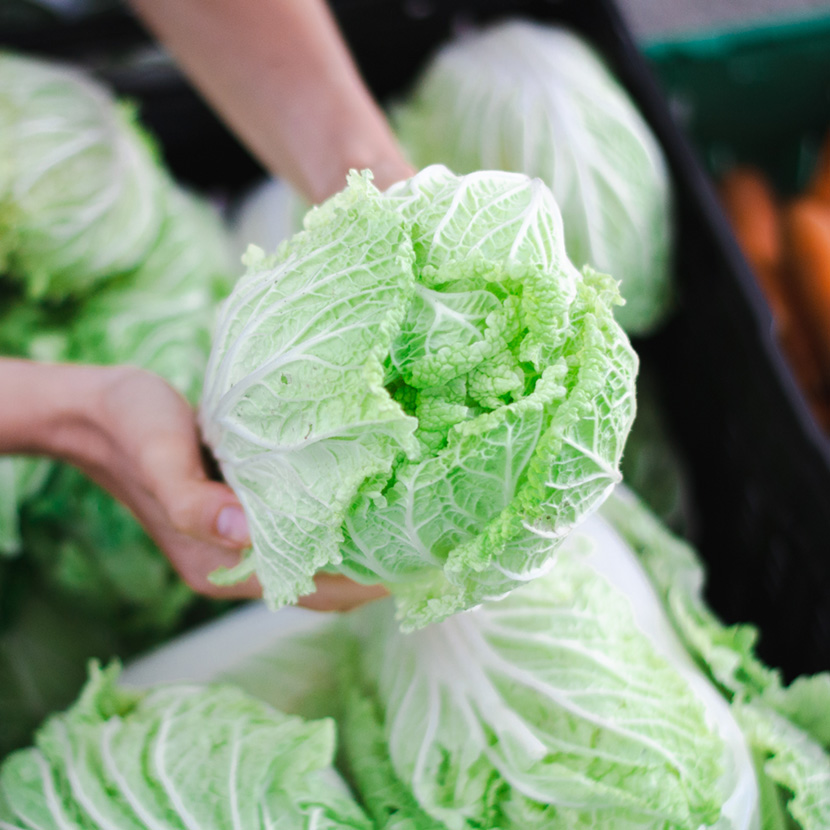
3. Kimchi: A 2000-year-old Korean method of preparing fermented, pickled vegetables, traditionally mainly Napa cabbage.
4. Yoghurt alternatives based on fermented coconut, oat, pea or soya drinks. You can find a wide selection here.
5. Kombucha: A fermented tea originally from China made of either green or black tea, which has become a special favourite with some foodies. Three different fermentation processes take place: alcoholic, lactic acid and acetic acid fermentation.
6. Apple cider vinegar: Produced by fermenting apple juice with acetic acid bacteria. Traditionally used both in the kitchen and in naturopathy.
7. Sourdough bread: A dough made from water, flour and microorganisms (available as starter kits) makes the bread particularly digestible and flavourful. Within the baking community, sourdough is regarded as the pinnacle in the art of bread making.
8. Miso: This savoury paste made from fermented soybeans is particularly popular in Japan.
9. Soya sauce: This classic from Asian cuisine is an all-rounder in plant-based cooking.
10. Tempeh is a popular meat alternative made from fermented soya beans and is therefore a good source of protein.
We would like to encourage you to incorporate more fermented foods into your diet if your body can tolerate them. For example, how about good overnight oats for breakfast, a kimchi bowl during your lunch break or crispy tempeh skewers with peanut sauce in the evening?
We now introduce you to the trendy vegetable– kimchi, a highlight from Korean cuisine. Similar to sauerkraut, it is a lacto-fermented cabbage (or another vegetable). However, kimchi really packs a punch; it is really spicy. A savoury treat for the palate! We spoke to the European kimchi producer Beavia to find out more.
Fermentation – an ingenious rediscovery
It is not without reason that fermented superfoods such as kimchi are making a comeback among the nutritionally conscious. A real (re)discovery, especially for a vegan lifestyle!
Fermenting vegetables is also a fantastic way to utilise leftovers and therefore waste less food. For example, if your garden or balcony gives you an abundance of produce in the summer, you can start fermenting. It also makes a great gift.
Recipes
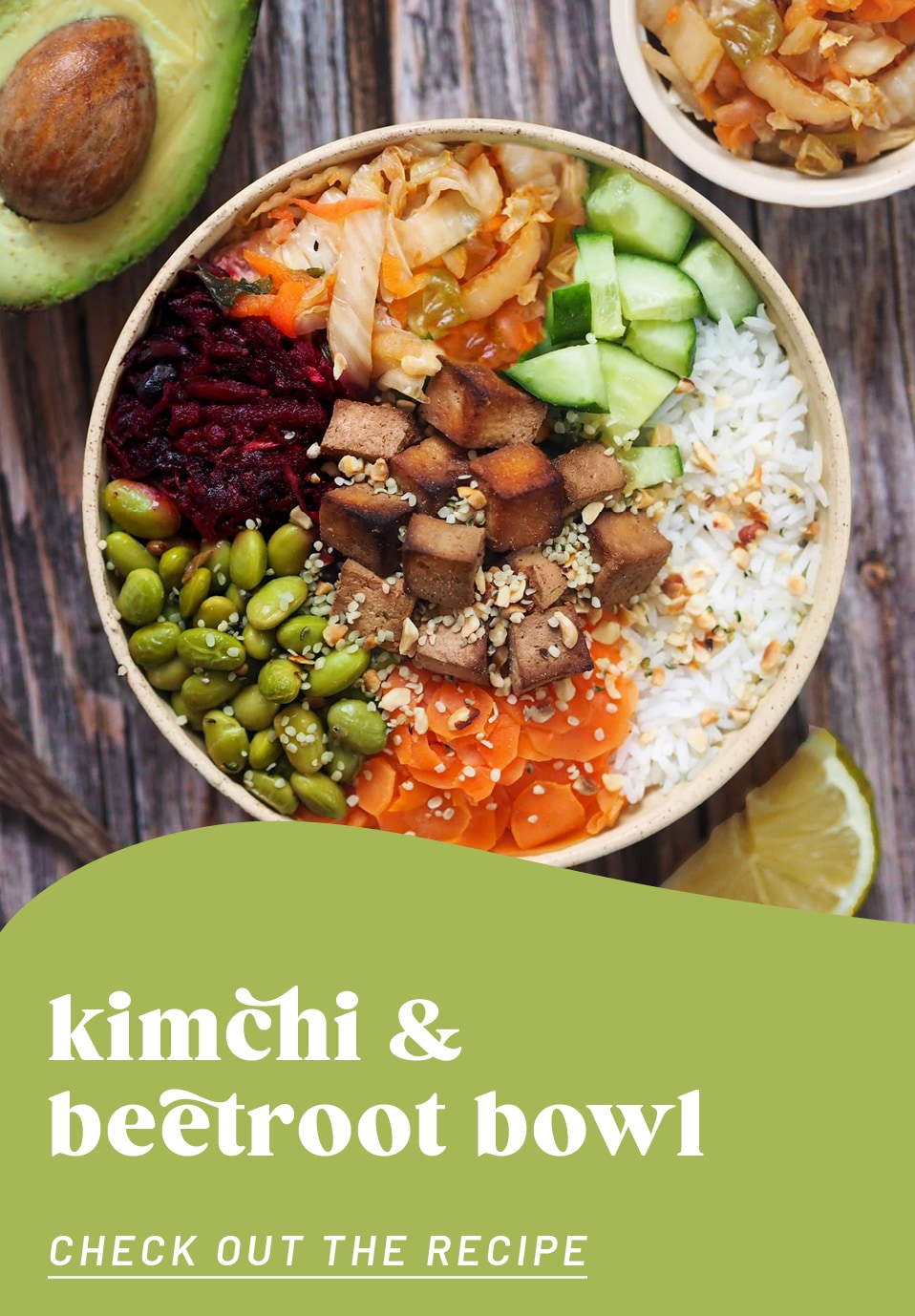
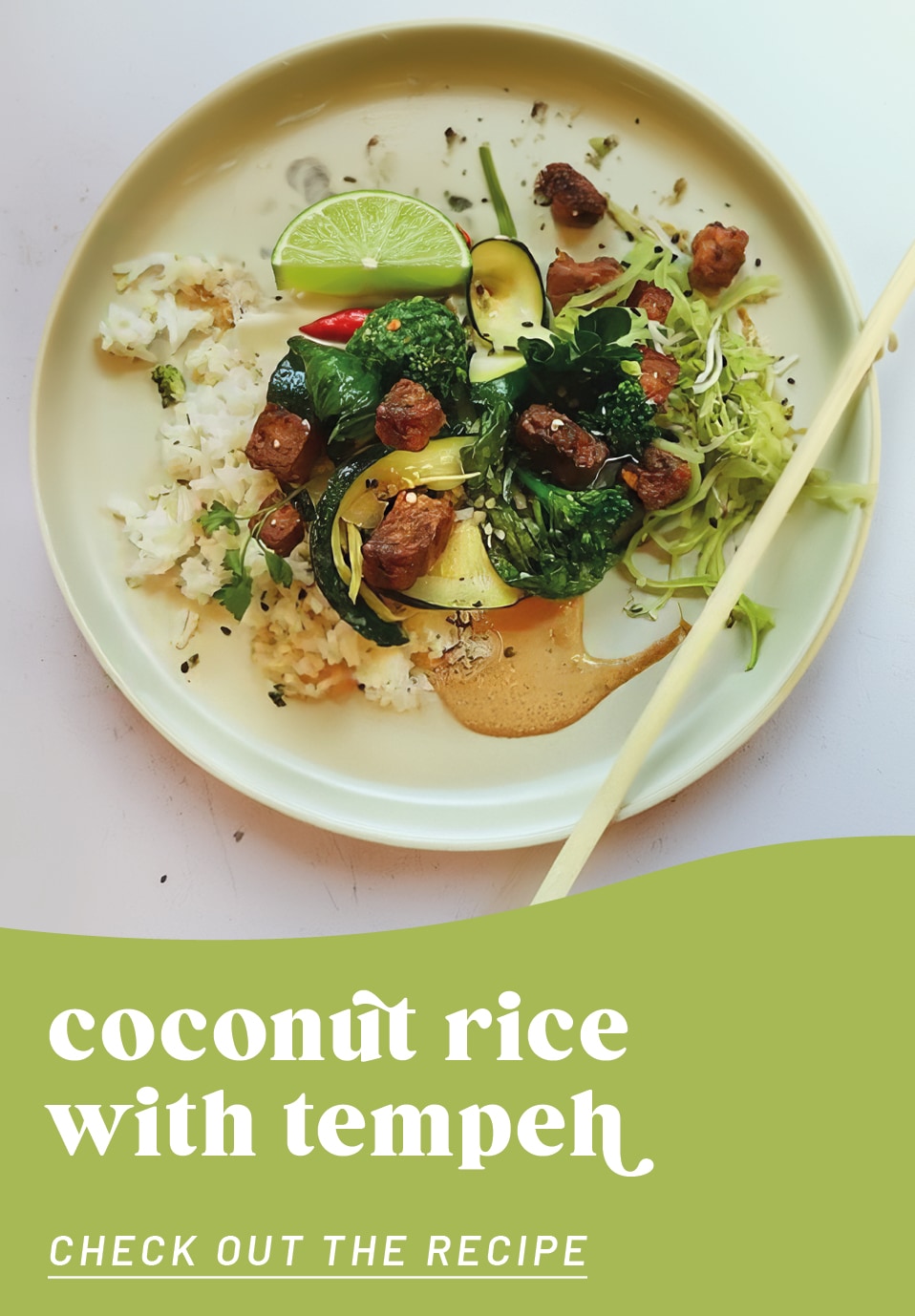
Do you want to get started with some fermented delicacies right away? We have 3 recipes for you, including homemade kimchi for a delicious burger: